Setting the Stage for a Lush Spring Lawn
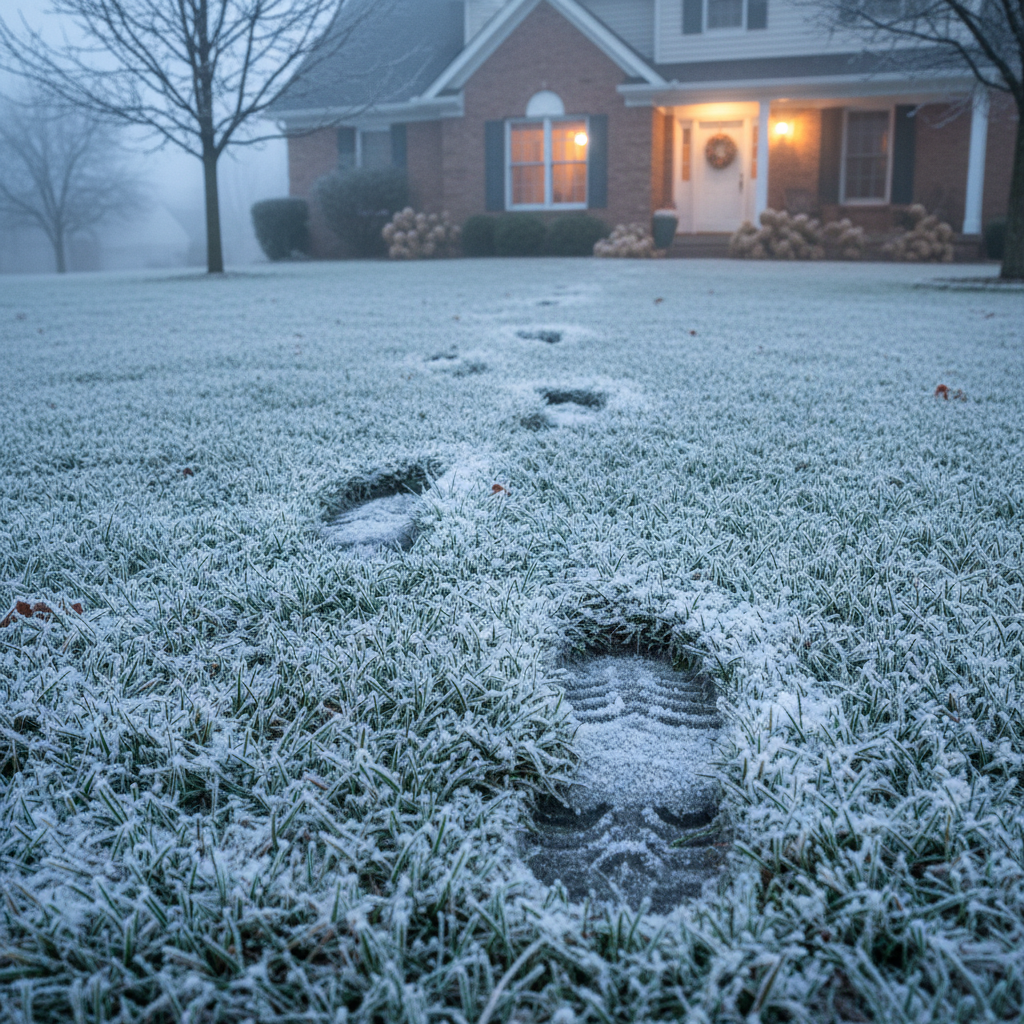
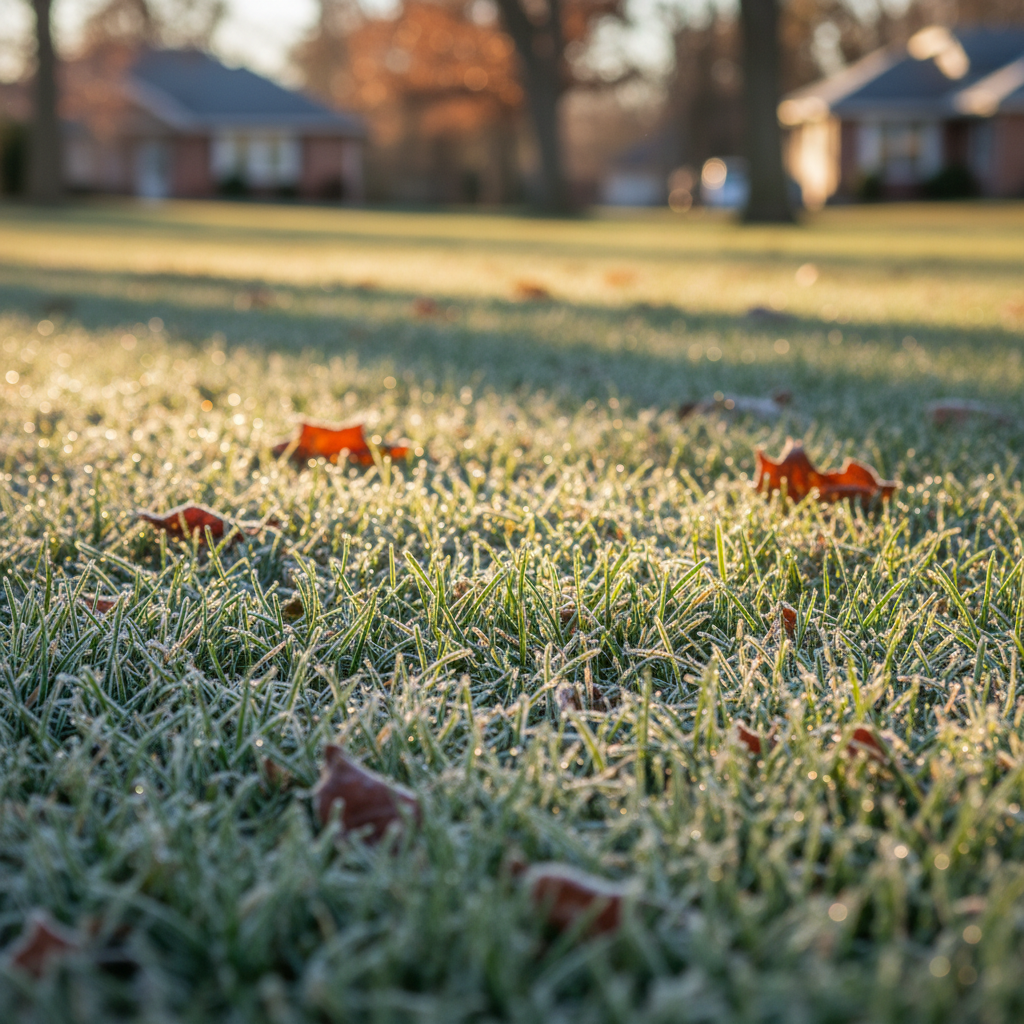
As the last leaves fall and temperatures drop, many homeowners assume their lawns are ready to rest until spring. But beneath the frosted surface, your grass is still hard at work—storing nutrients, repairing roots, and preparing for next year’s growth. That’s why a late-season fertilizer application, known as a winterizer, is one of the most important steps you can take to ensure a healthy, green lawn in spring.
In St. Louis’s cool-season lawns, this final feeding gives grass the reserves it needs to thrive through winter and bounce back beautifully with earlier spring green up once the weather warms.
Why Winterizer Fertilizer Matters
Winterizer fertilizer is formulated differently from standard lawn feeds. It’s high in potassium and nitrogen, two nutrients that play vital roles in root strength and energy storage. While nitrogen fuels growth and color, potassium enhances cold tolerance and disease resistance. Together, they help your lawn handle the harsh winter months and green up faster in spring.
For St. Louis homeowners with cool-season turf like fescue and bluegrass, winterizer helps repair the stress caused by hot summers and foot traffic. In Tulsa, where Bermuda and zoysia grasses are more common, winterizer supports deep root growth before dormancy, ensuring turf survives winter in better condition.
Timing Is Everything
The success of winter feeding comes down to timing. Apply the treatment after your lawn’s final mow—typically in November to mid December, just before the ground freezes for a longer period. This allows roots to absorb nutrients without encouraging top growth, which can make grass vulnerable to frost damage.
Pro Tip: Wait about one week after your last mowing to apply your winterizer. This ensures the grass has stopped actively growing above ground but is still absorbing nutrients below.
For the best results, DayBreak’s local teams track weather patterns and soil temperatures to apply fertilizer at the ideal time for each market. Precision timing means maximum nutrient uptake, minimal runoff, and early spring color that turns heads across the neighborhood.
Application Tips for Homeowners
You can apply a winterizer fertilizer yourself, but a professional approach ensures accuracy and consistency.
Here are a few homeowner tips:
- Mow shorter for your last cut. Keep your grass around 2–2.5 inches tall to prevent matting and disease.
- Remove leaves before treatment. Thick amounts of leaves block fertilizer from reaching the soil and can trap moisture, leading to mold.
- Water lightly after application. This helps nutrients penetrate the soil and reach the root zone. If the irrigation system is already winterized, the next rain will work nicely as well.
- Don’t overdo it. Too much nitrogen at this stage can encourage unwanted late-season growth.
DayBreak’s trained technicians use calibrated spreaders to ensure even coverage and apply fertilizers that are balanced specifically for St. Louis’s cool-season and Tulsa’s warm-season lawns.
The Science Beneath the Surface
Think of your lawn like a savings account—each fertilizer application is a deposit, and winter is when your grass “earns interest.” During the cold months, energy stored in the roots keeps the plant alive and ready for a growth explosion once temperatures rise above 50°F.
Studies show that lawns treated with a winterizer fertilizer develop stronger roots and experience up to 25% faster green-up in spring compared to untreated lawns. That’s because nutrients applied in late fall are stored in root tissues and used immediately when growth resumes.
Preparing for a Strong Start in Spring
By taking this final step before winter, you’re setting yourself up for success months ahead. The payoff is visible: thicker turf, fewer weeds, and a deep, rich color that lasts. And when spring arrives, your lawn will be ready to grow—stronger, greener, and healthier than ever.