Is Your Lawn Dead or Just Stressed?
Every July, Tulsa homeowners start asking the same question:
“Why is my lawn turning brown?”
You water regularly. You mow consistently. Everything looked healthy in May and June. Then summer heat arrives, and suddenly patches of your lawn start looking dry, thin, or completely brown.
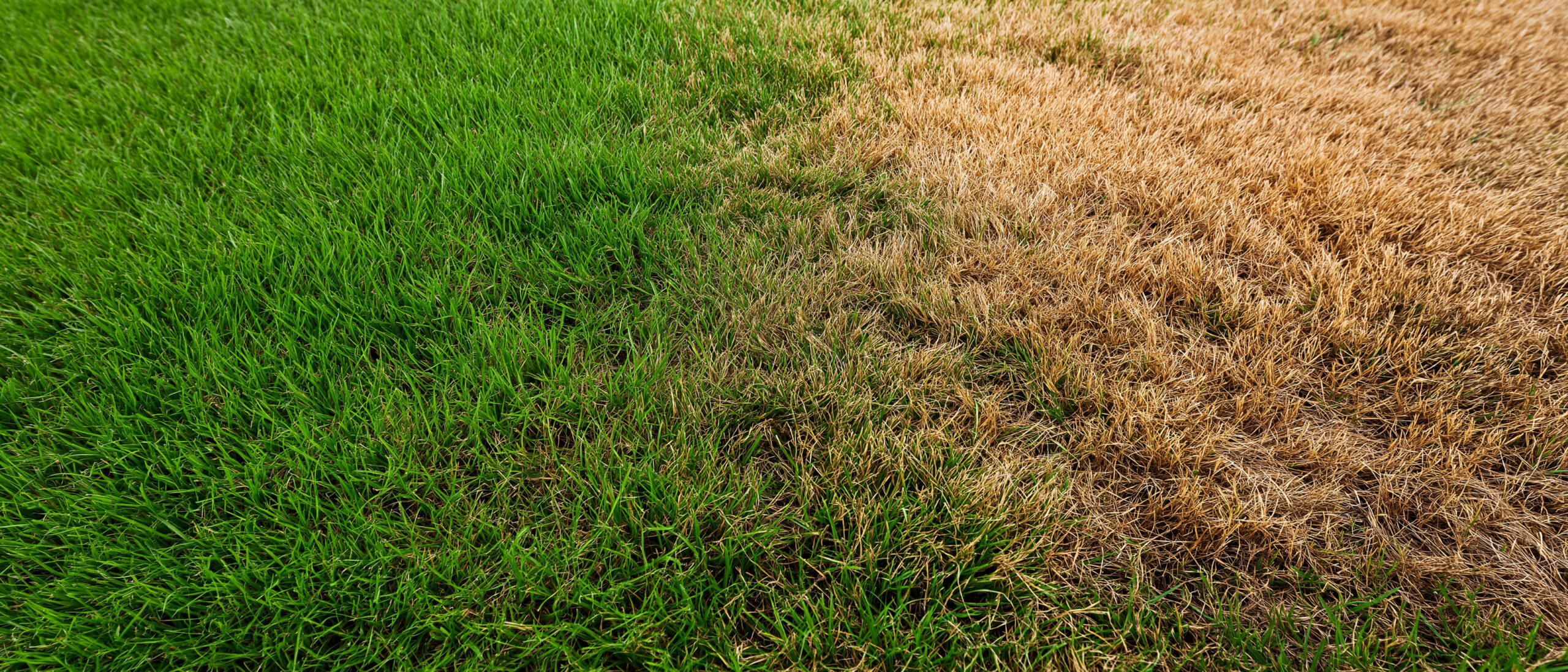
But here’s the good news: a brown lawn does not always mean a dead lawn.
In Oklahoma, July is one of the most stressful months of the year for turfgrass. High temperatures, intense sunlight, drought conditions, disease pressure, and irrigation issues can all affect how your lawn looks and performs.
The key is figuring out what’s causing the problem before making changes that could make it worse.
Why July Is So Hard on Tulsa Lawns
Tulsa sits in a transition zone climate. Our lawns experience extreme seasonal swings throughout the year.
During July, homeowners face:
- High temperatures
- Increased evaporation
- Drought stress
- Irrigation challenges
- Summer weeds
- Increased pest activity
- Disease pressure in certain turf types
Warm-season grasses like Bermuda and Zoysia are actively growing during summer, but even these grasses can struggle when temperatures stay high for extended periods.
Tall fescue lawns face even greater challenges because they are cool-season grasses trying to survive Oklahoma heat.
5 Common Reasons Your Lawn Is Turning Brown
1. Drought Stress
Drought stress is one of the most common causes of brown lawns during July.
When grass doesn’t receive enough water, it begins conserving moisture to survive.
Common signs include:
- Blue-gray color
- Footprints that remain visible
- Folded or rolled grass blades
- Dry, brittle turf
- Brown patches appearing in sunny areas first
Many homeowners assume they need to water every day when they see these symptoms.
In reality, deep and infrequent watering is usually more effective than frequent shallow watering.
2. Uneven Irrigation Coverage
Sometimes the problem isn’t how much water you’re applying.
It’s where the water is going.
If you notice:
- Brown circles
- Dry strips
- One section green and another brown
Your sprinkler system may have coverage issues.
Common causes include:
- Clogged sprinkler heads
- Broken nozzles
- Improper pressure
- Misaligned spray patterns
Many Tulsa homeowners are surprised to discover that certain areas of their lawn receive significantly less water than others.
3. Summer Heat Stress
Even healthy lawns experience stress during Oklahoma summers.
Concrete driveways, sidewalks, and streets absorb heat throughout the day and radiate it back into nearby turf.
That’s why brown areas often appear first along:
- Sidewalk edges
- Driveways
- Curbs
- South-facing slopes
These locations experience significantly higher temperatures than the rest of the lawn.
4. Lawn Disease
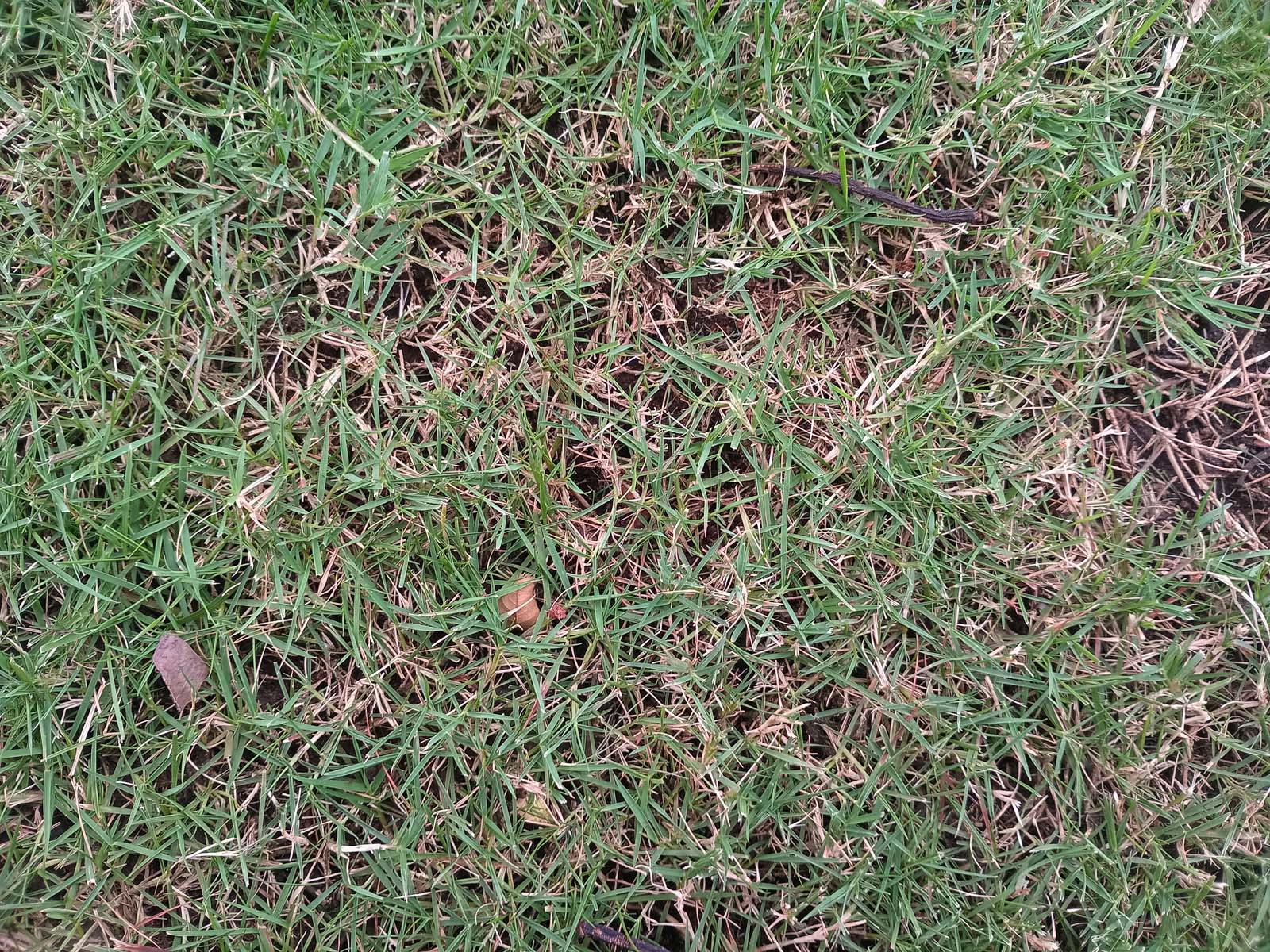
Brown grass is not always caused by a lack of water.
In many cases, homeowners accidentally overwater a lawn that is actually suffering from disease.
Tall fescue lawns are especially vulnerable to brown patches during hot, humid weather.
Signs of disease may include:
- Circular patches
- Expanding brown areas
- Thin turf despite adequate moisture
- Irregular patterns
If the soil feels moist but the grass remains brown, disease may be a factor.
5. Insect Activity
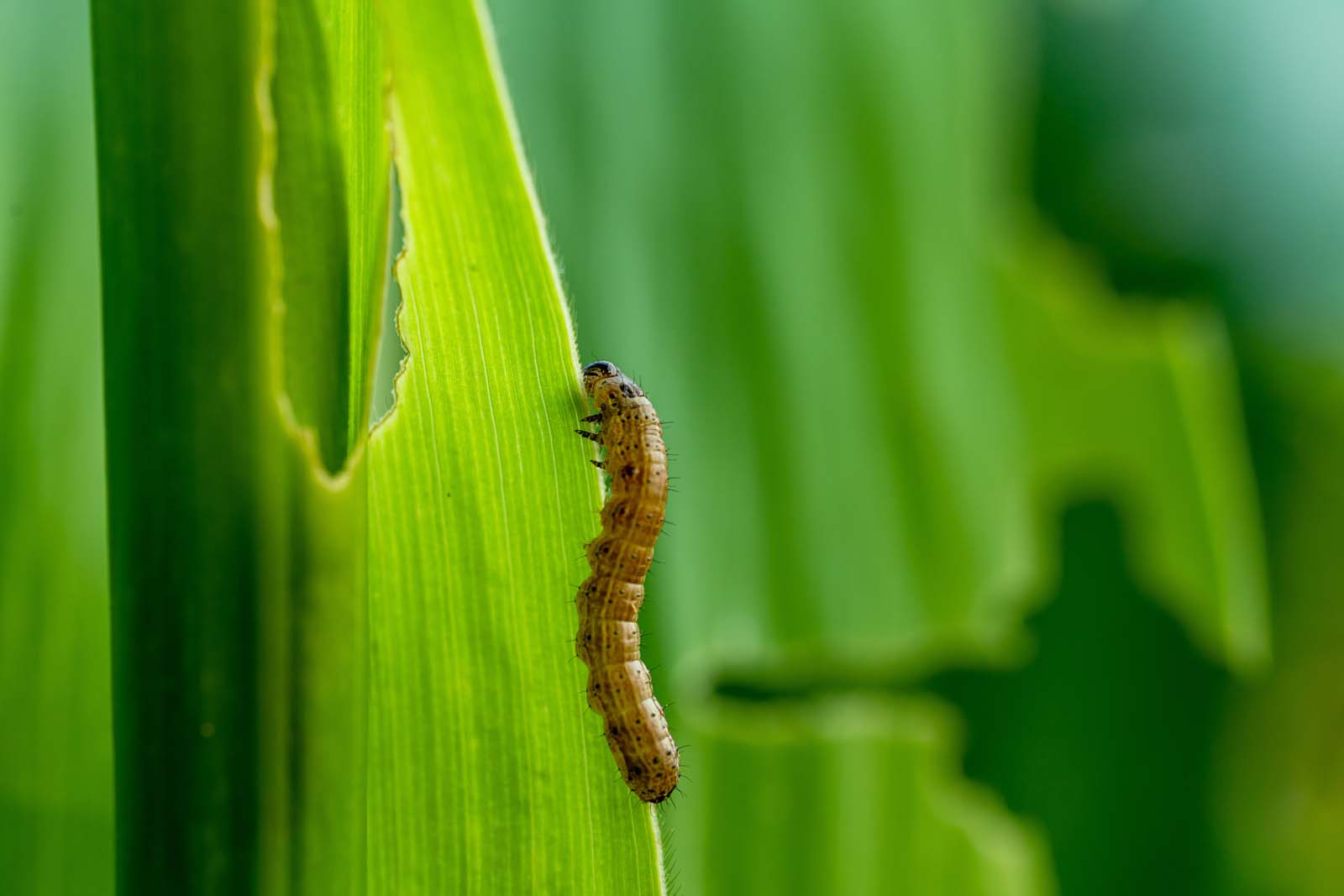
Certain lawn insects become active during summer and can create damage that looks very similar to drought stress.
Common summer lawn pests include:
- Sod webworms
- Grubs
- Armyworms
- Billbugs
If turf pulls up easily from the soil or damage seems to appear rapidly, insects may be involved.
Is It Different for Bermuda, Zoysia, and Fescue?
Absolutely.
Bermuda Grass
Bermuda is the most common lawn type in Tulsa. It handles heat and drought better than most turf varieties.
If Bermuda turns brown during July, the issue is often:
- Water stress
- Irrigation problems
- Compaction
- Heavy traffic
Zoysia Grass
Zoysia is dense and attractive but can be more sensitive to moisture issues.
Brown areas may indicate:
- Drought stress
- Compaction
- Drainage issues
- Disease concerns
Tall Fescue
Tall fescue is naturally stressed during Oklahoma summers.
Brown areas may be caused by:
- Heat stress
- Brown patch disease
- Insufficient irrigation
- Poor airflow
What You Should Do First
Before changing your watering schedule or buying lawn products, start with a simple inspection.
Ask yourself:
- Is the soil dry or moist?
- Are the brown areas random or patterned?
- Do sprinkler heads cover the area?
- Is the lawn receiving traffic stress?
- Does the grass pull up easily?
Understanding the cause is the first step toward recovery.
Treating drought when the issue is disease can make the problem worse.
Treating disease when the issue is irrigation wastes time and money.
How DayBreak Helps Diagnose Summer Lawn Problems
One of the biggest challenges homeowners face is identifying the actual cause of brown grass.
Many lawn issues produce nearly identical symptoms.
At DayBreak, our lawn health monitoring process helps identify:
- Drought stress
- Irrigation concerns
- Summer weed pressure
- Soil issues
- Disease symptoms
- Insect activity
Instead of guessing, we evaluate the lawn’s overall health and recommend solutions based on Oklahoma growing conditions and your specific turf type.
Don’t Panic Over Brown Grass
A brown lawn in July doesn’t automatically mean permanent damage.
In many cases, lawns recover quickly once the underlying issue is addressed.
The most important thing is diagnosing the problem correctly.
Whether the issue is drought stress, irrigation coverage, disease pressure, or insects, early action helps protect your lawn and keeps minor issues from becoming major repairs.
If your lawn is turning brown and you’re not sure why, DayBreak can help. Contact us today and let our team help you build a healthier, more resilient lawn.
A New Dawn for Your Lawn starts here.