The Most Common Lawn Care Mistake Tulsa Homeowners Make
Every summer, homeowners across Tulsa, Broken Arrow, Bixby, Jenks, and Owasso start asking the same question:
“How often should I water my lawn?”
Unfortunately, there isn’t a one-size-fits-all answer.
Many homeowners assume they should water every day when temperatures climb into the 90s. Others wait until their lawn turns brown before turning on the sprinklers. Both approaches can create problems.
The truth is that healthy lawns are watered based on need, not habit.
Understanding how your grass responds to Oklahoma’s summer heat can help you avoid drought stress, reduce water waste, and keep your lawn looking its best throughout the growing season.
Why Oklahoma Summers Are Tough on Lawns
Tulsa lawns experience some of the most challenging growing conditions of the year during July and August.
High temperatures, intense sunlight, dry winds, and increased evaporation all place additional stress on turfgrass. During these months, lawns lose moisture faster than they can during spring or fall.
That’s why proper watering becomes one of the most important factors in lawn health.
The goal isn’t simply to keep the grass green. The goal is to encourage deep roots that help the lawn withstand heat, drought, and everyday stress.
The Best Watering Rule: Water Deeply and Infrequently
One of the most important lawn care principles is simple:
Water deeply. Water less often.
Frequent, shallow watering encourages roots to stay near the surface where soil dries out quickly. As a result, lawns become more dependent on irrigation and less able to handle Oklahoma heat.
Deep watering encourages roots to grow deeper into the soil where moisture remains available longer. This creates a stronger, more resilient lawn.
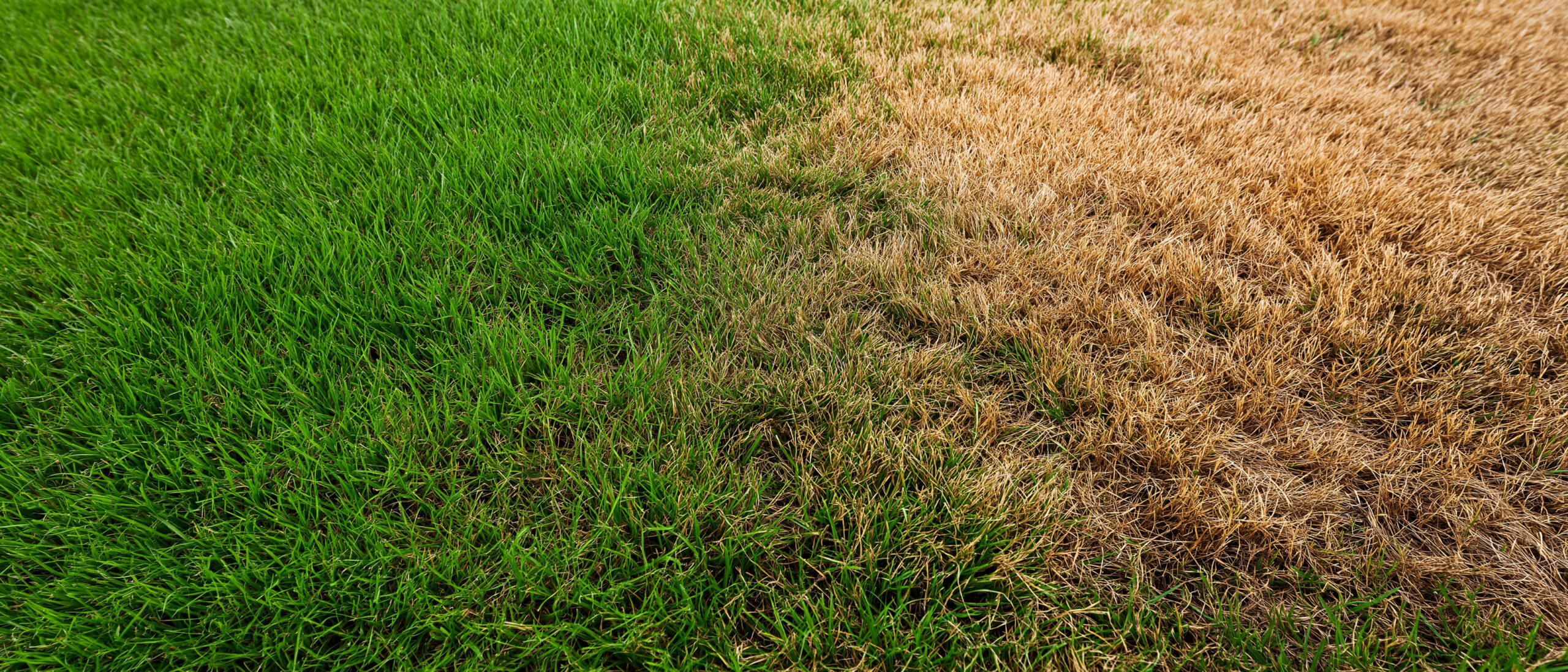
In most cases, established lawns should be watered when they begin showing signs of drought stress rather than on a fixed daily schedule.
How Do You Know When Your Lawn Needs Water?
Your lawn will usually tell you before permanent damage occurs. Watch for these common signs.
Footprints That Stay Visible
Walk across the lawn.
If your footprints remain visible for several minutes instead of springing back, your grass may be experiencing early drought stress.
Blue-Gray Color
Healthy grass is typically green.
When moisture becomes limited, turf often develops a dull blue-gray appearance.
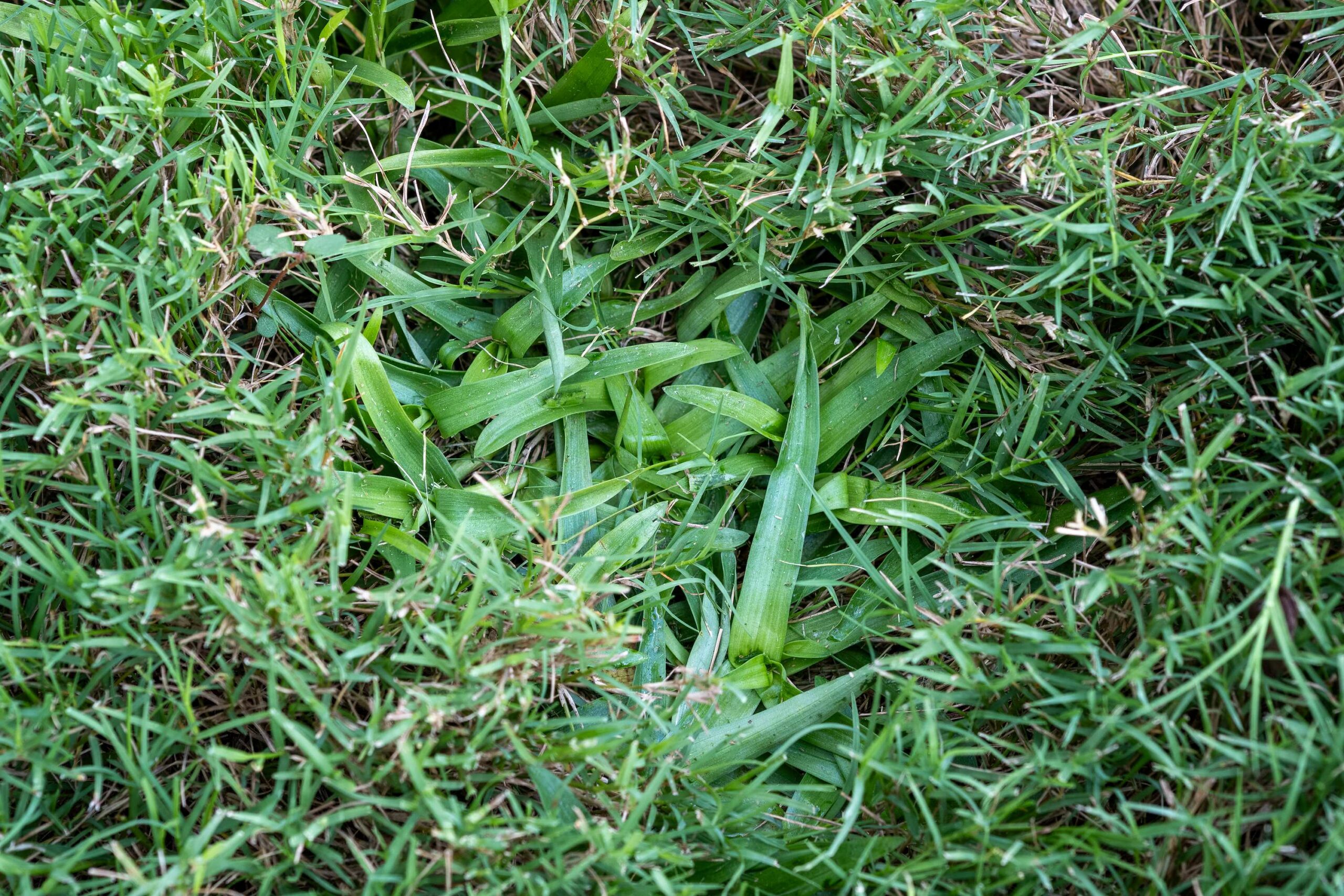
Rolled or Folded Grass Blades
Grass naturally tries to conserve moisture during drought.
One way it does this is by folding or rolling its leaves to reduce water loss.
Dry Areas Near Concrete
Driveways, sidewalks, and streets absorb and radiate heat.
These areas often show drought stress before the rest of the lawn.
When you see these symptoms, it’s time to water.
What Time of Day Should You Water?
If you only make one improvement to your watering routine, make it this:
Water early in the morning.
Early morning watering offers several advantages:
- Less evaporation
- Better water absorption
- Reduced wind drift
- Lower disease pressure
- More efficient irrigation
Watering in the middle of the day wastes water because much of it evaporates before reaching the root zone.
Watering late at night can increase disease pressure because grass remains wet for long periods. This is especially important for tall fescue lawns, which can be vulnerable to brown patch disease during hot, humid Oklahoma summers.
Does Every Grass Type Need the Same Amount of Water?
No. Different grasses have different water requirements.
Bermuda Grass
Bermuda is the most common lawn type in Tulsa and one of the best adapted to Oklahoma heat. DayBreak specifically identifies Bermuda as a dominant grass type throughout Northeast Oklahoma.
Bermuda is drought tolerant and can survive periods of reduced irrigation better than many other turf types.
When managed properly, Bermuda develops deep roots and recovers quickly from stress.
Zoysia Grass
Zoysia generally requires slightly more water than Bermuda but less than tall fescue.
It provides excellent density and appearance but can show drought stress sooner than Bermuda during extended dry periods.
Tall Fescue
Tall fescue is a cool-season grass and faces the greatest challenge during Oklahoma summers.
Because it continues trying to function during periods of extreme heat, it generally requires more irrigation and careful management than warm-season grasses.
Why More Water Isn’t Always Better
Many lawn problems are caused by overwatering rather than underwatering.
Excess moisture can create conditions that encourage:
- Shallow roots
- Disease pressure
- Nutrient loss
- Mushrooms
- Runoff
- Moisture-loving weeds like nutsedge
In fact, overwatering often weakens turf and makes lawns more dependent on irrigation over time.
A healthy lawn should be able to go several days between watering events under normal summer conditions.
What If Water Runs Into the Street?
If water is running down the driveway or into the street, your irrigation system may be applying water faster than the soil can absorb it.
This is common in Oklahoma clay soils.
A simple solution is called cycle-and-soak watering.
Instead of running a zone for one long period, break it into shorter cycles with time between each cycle. This allows water to soak into the soil instead of becoming runoff.
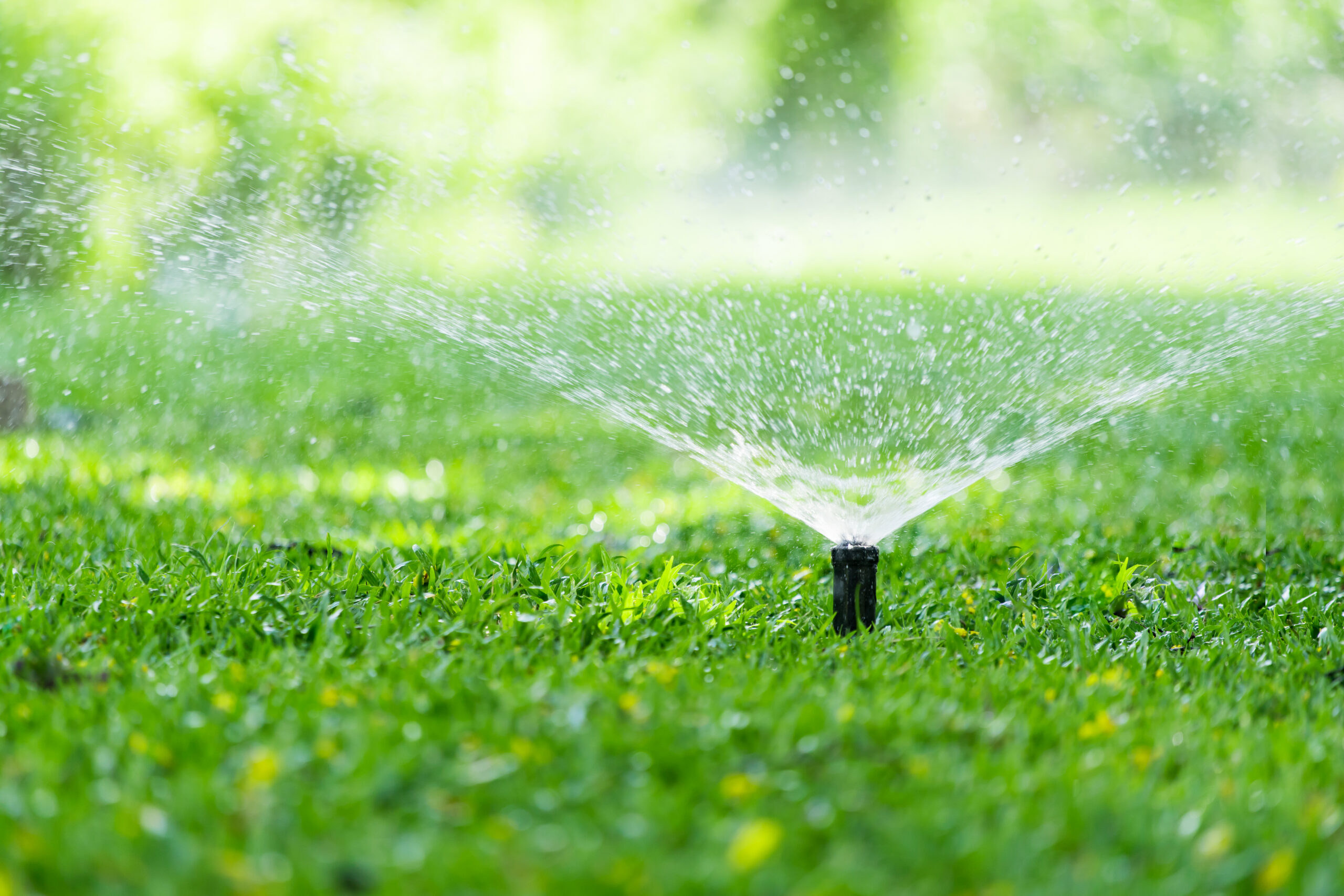
Don’t Forget About Irrigation Coverage
One of the biggest surprises for homeowners is discovering that their sprinkler system isn’t watering evenly.
You may have:
- Clogged heads
- Broken nozzles
- Low-pressure zones
- Misaligned sprinklers
This is why one area of the lawn can remain green while another turns brown.
Before increasing your watering schedule, it’s worth checking whether your system is delivering water evenly across the property.
How DayBreak Helps Homeowners Navigate Summer Stress
Summer lawn care is about more than simply adding water.
At DayBreak, our lawn care programs are designed around Oklahoma growing conditions and the specific needs of your lawn. We monitor lawn health, identify signs of drought stress, evaluate turf type, and help homeowners understand what’s actually causing lawn problems.
Sometimes the solution is irrigation. Sometimes it’s mowing height. Sometimes it’s soil compaction, disease pressure, or uneven sprinkler coverage.
The key is identifying the real cause before making changes.
A Smarter Way to Water
The healthiest lawns in Tulsa aren’t usually the lawns that receive the most water.
They’re the lawns that receive the right amount of water at the right time.
By watering deeply, watering early in the morning, watching for signs of drought stress, and avoiding the temptation to water every day, you can help your lawn develop stronger roots and better resilience throughout the Oklahoma summer.
If you’re struggling with brown spots, inconsistent growth, or summer lawn stress, DayBreak can help. Request a quote or contact us today to discover how professional lawn care can help your lawn thrive through Oklahoma’s toughest months.
A New Dawn for Your Lawn starts here.