Your Neighbor’s Lawn Isn’t the Same as Yours
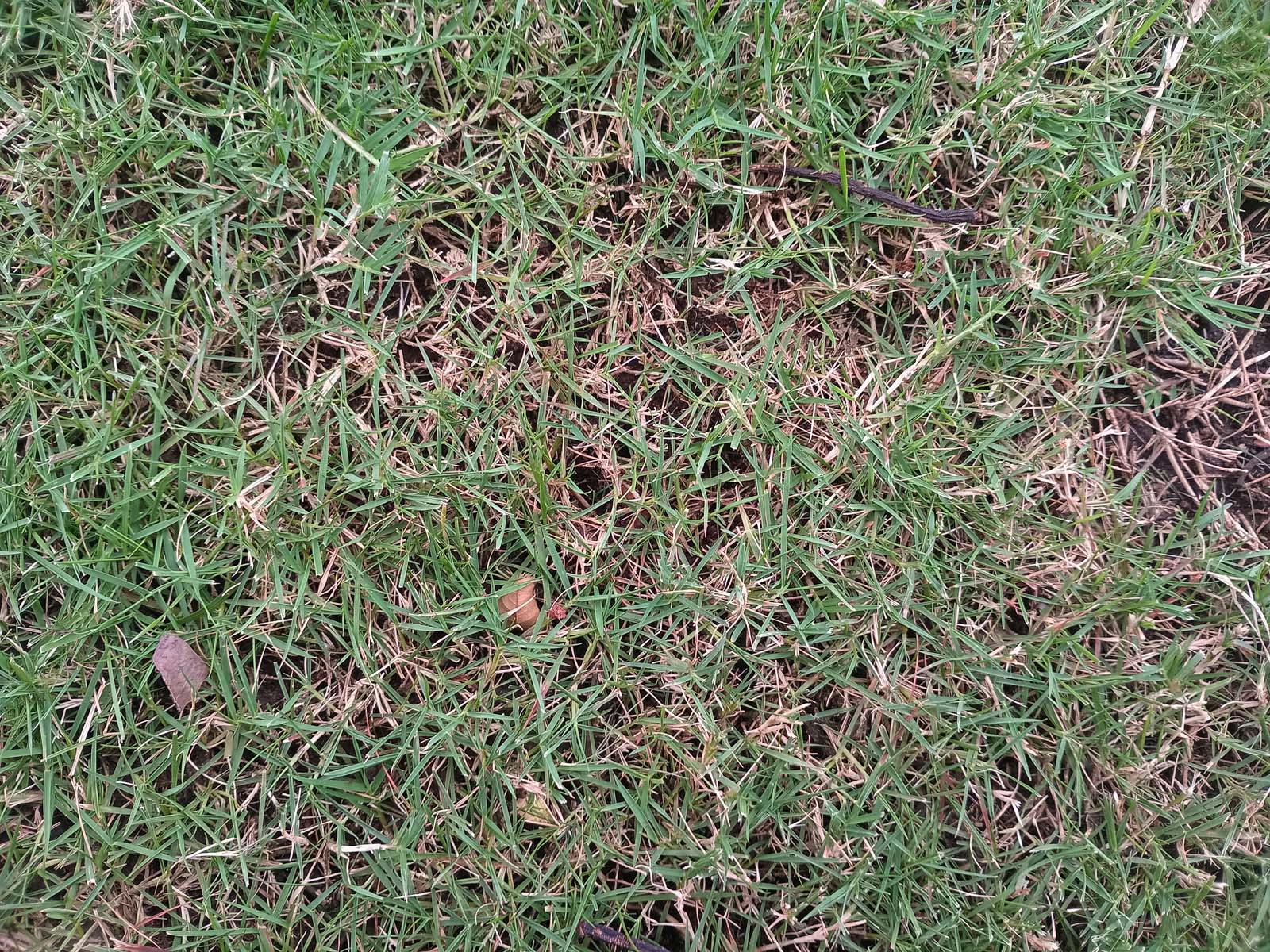
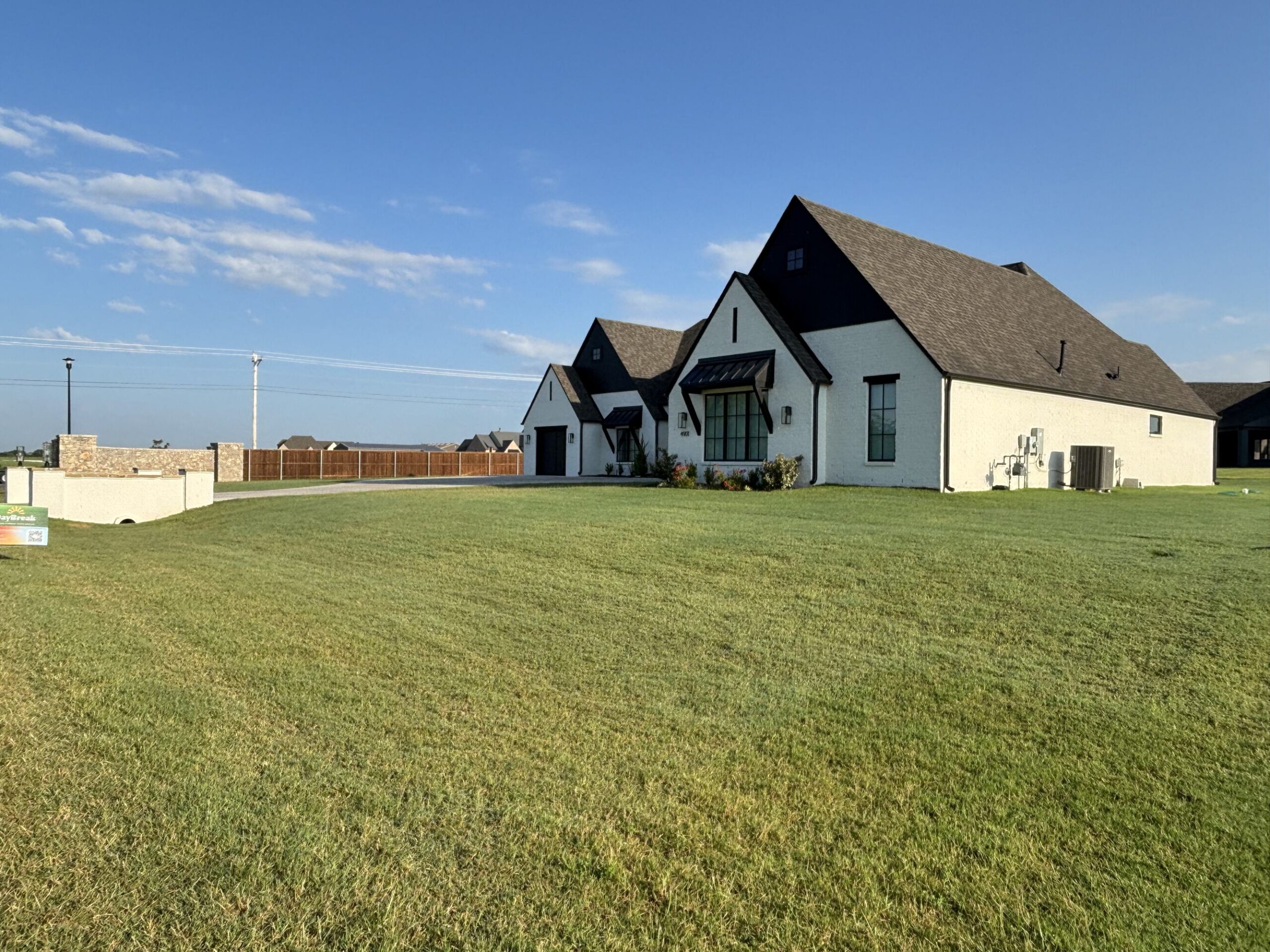
Have you ever wondered why your neighbor’s lawn stays thick and green while yours struggles with weeds, brown spots, or thinning grass—even though your homes are only a few feet apart?
It’s a common question, and the answer may surprise you.
No two lawns are exactly alike.
Even within the same neighborhood, lawns can have different grass types, soil conditions, sunlight exposure, drainage, irrigation systems, and maintenance histories. Those differences affect how grass grows, how weeds spread, and how your lawn responds to fertilizer, watering, and seasonal weather.
That’s why a one-size-fits-all approach to lawn care rarely delivers long-term results.
At DayBreak Lawn Care, we believe every lawn deserves a care plan designed specifically for its unique conditions.
Your Grass Type Matters
One of the biggest factors affecting lawn care is the type of grass growing in your yard.
In Tulsa, most residential lawns are warm-season grasses, with Bermuda and Zoysia being the most common. Some shaded properties may also have tall fescue, which has very different maintenance needs.
Each grass responds differently to:
- Fertilizer
- Water
- Heat
- Shade
- Mowing height
- Weed control products
- Seasonal changes
For example, Bermuda thrives in full sun and spreads aggressively during the summer, while tall fescue performs better in shaded areas but requires more water during Oklahoma’s hot summers. Applying the same care plan to both lawns simply doesn’t make sense.
Soil Is Different From Yard to Yard
Healthy grass starts below the surface.
Many homeowners assume all soil is basically the same, but soil conditions can vary dramatically—even between neighboring properties.
Some lawns have:
- Compacted clay soil
- Better drainage
- Poor nutrient availability
- Different pH levels
- Areas disturbed during construction
These differences affect how well your lawn absorbs water and nutrients.
If the soil isn’t healthy, even the best fertilizer or weed control program won’t perform as well as it should.
That’s one reason DayBreak focuses on building healthier lawns from the ground up instead of simply treating surface problems.
Sun and Shade Change Everything
The amount of sunlight your lawn receives has a major impact on how it grows.
A backyard with full afternoon sun will have completely different needs than a front yard shaded by mature trees.
More shade can mean:
- Slower growth
- Thinner turf
- More moisture retention
- Greater disease pressure
- Different grass recommendations
Meanwhile, sunny areas often experience:
- Faster growth
- More drought stress
- Higher irrigation needs
- Greater weed competition
Understanding these conditions helps determine the best long-term care strategy for each section of your lawn.
Watering Isn’t One-Size-Fits-All Either
Many homeowners assume watering longer will solve every lawn problem.
Unfortunately, that’s not always the case.
Some lawns need irrigation adjustments because of:
- Uneven sprinkler coverage
- Soil compaction
- Slopes that create runoff
- Different soil types
- Areas that receive more afternoon sun
In fact, overwatering can sometimes create as many problems as underwatering by encouraging shallow roots, disease, and moisture-loving weeds.
The goal isn’t simply to apply more water—it’s to make sure your lawn receives the right amount in the right places.
Every Lawn Has Its Own History
Your lawn today reflects years of previous care.
Some properties have been professionally maintained for years.
Others may have experienced:
- Construction damage
- Neglected fertilization
- Poor mowing practices
- Heavy foot traffic
- Weed infestations
- Drought stress
- Pet damage
Those past conditions influence how your lawn responds today.
A lawn recovering from years of neglect will naturally require a different approach than one that’s been consistently maintained.
Oklahoma’s Weather Creates Unique Challenges
Tulsa lawns face a wide range of seasonal conditions throughout the year.
Homeowners deal with:
- Spring weed pressure
- Heavy summer heat
- Drought stress
- Insect activity
- Sudden rainstorms
- Winter dormancy
Every season brings different challenges.
A successful lawn care program isn’t built around a single treatment—it’s built around responding to changing conditions throughout the year.
That’s why timing matters just as much as the products being applied.
Why Customized Lawn Care Produces Better Results
When lawn care is tailored to your property, every recommendation has a purpose.
Instead of guessing, professionals evaluate factors like:
- Grass species
- Soil conditions
- Sun exposure
- Irrigation performance
- Weed pressure
- Seasonal timing
- Lawn health history
This allows treatments to work together as part of a long-term plan instead of isolated applications.
Rather than simply reacting to problems as they appear, a customized program helps prevent many of them before they become major issues.
How DayBreak Builds a Personalized Lawn Care Plan
Every lawn DayBreak services is evaluated individually.
Our technicians consider the conditions unique to your property before making recommendations for:
- Fertilization
- Weed control
- Soil health
- Lawn inspections
- Seasonal treatments
- Insect monitoring
Because no two lawns are identical, no two care plans should be either.
It’s one of the reasons homeowners trust DayBreak to deliver consistent, long-term results instead of temporary fixes.
Give Your Lawn the Care It Actually Needs
Your lawn isn’t supposed to look exactly like your neighbor’s.
It has its own grass, soil, growing conditions, and challenges.
The best lawn care plan is one that’s built specifically for your property—not copied from someone else’s.
If you’re ready to stop guessing and start giving your lawn the care it actually needs, DayBreak Lawn Care is here to help.
Our experienced local technicians understand Oklahoma growing conditions and create customized lawn care programs designed to help your lawn become healthier season after season.
Request your free quote today and discover what a personalized lawn care plan can do for your lawn.