A Thin Lawn Is Usually a Symptom, Not the Problem
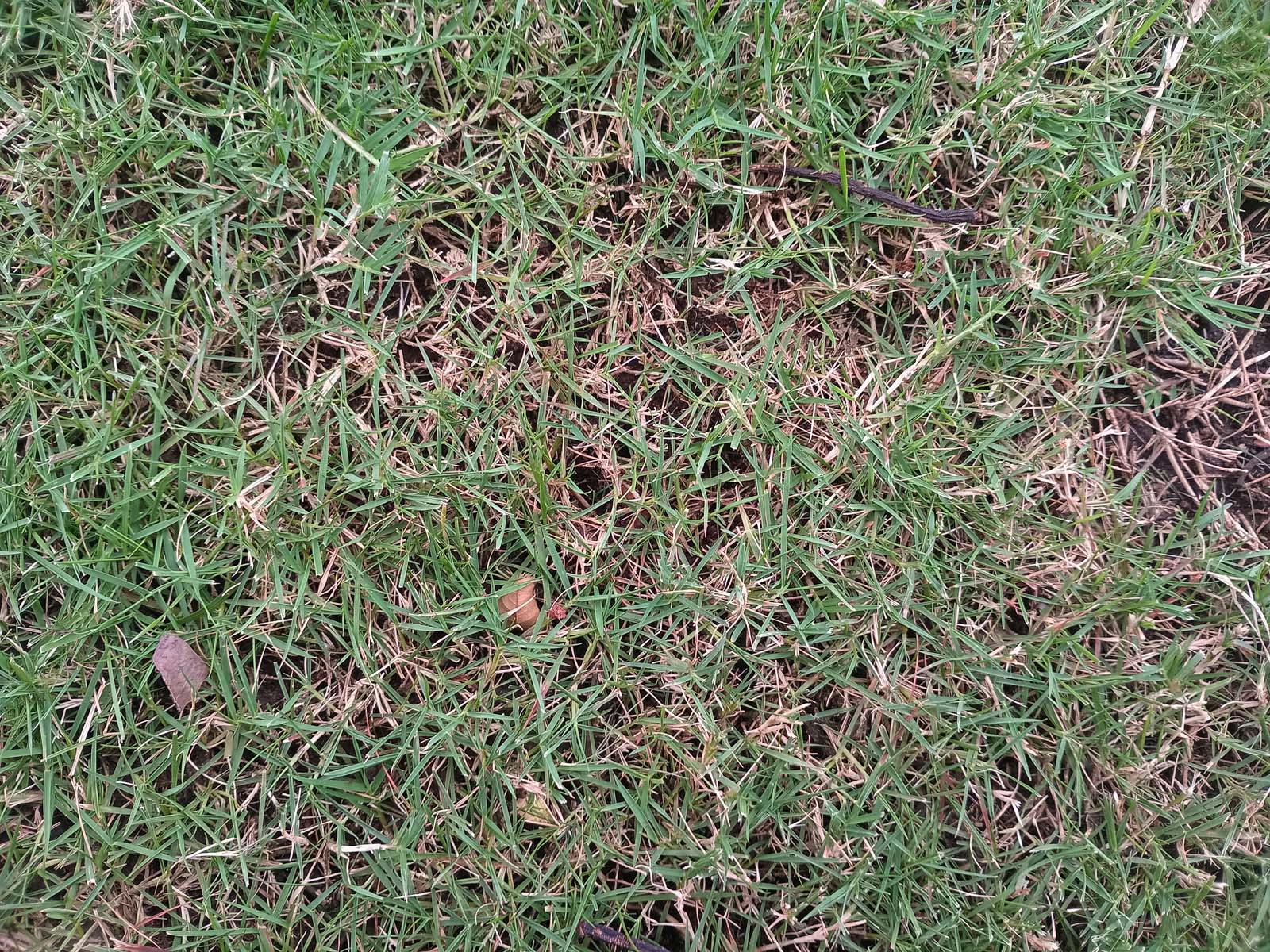
If your lawn doesn’t look as full as it did a few months ago, you’re not alone.
Late summer is when many Tulsa homeowners begin noticing thin grass, bare patches, or areas that just don’t seem to grow like they used to.
The first instinct is often to add more water or fertilizer.
Sometimes that helps.
Often, it doesn’t.
That’s because a thinning lawn is usually your grass trying to tell you something.
Before you try to fix the problem, it’s important to understand what’s causing it.
Here are the first things to check.
1. Has Your Lawn Been Stressed by Summer Heat?
Oklahoma summers are tough on every lawn.
Long stretches of high temperatures, little rainfall, and intense afternoon sun put tremendous stress on turfgrass.
Even healthy Bermuda and Zoysia lawns can slow their growth during periods of extreme heat.
Signs of heat stress include:
- Thin or sparse grass
- Brown areas
- Slower growth
- Footprints that remain visible
- Blue-gray coloring before browning
Some summer thinning is normal.
The key is helping your lawn recover instead of creating additional stress.
2. Is Your Soil Compacted?
One of the most overlooked causes of thinning grass is compacted soil.
Over time, foot traffic, lawn equipment, pets, and Oklahoma’s heavy clay soils compress the ground beneath your lawn.
When that happens, roots struggle to access:
- Water
- Oxygen
- Nutrients
The result is weaker, thinner grass.
A simple test is to push a screwdriver into the soil.
If it’s difficult to push into the ground, your lawn may be suffering from compaction.
Core aeration is often recommended because it relieves compaction and allows roots to grow deeper and stronger.
3. Are You Watering Correctly?
Many homeowners assume thinning grass means they need more water.
Sometimes the opposite is true.
Both underwatering and overwatering can weaken a lawn.
Check for:
- Dry spots where sprinklers aren’t reaching
- Water running into the street
- Areas that stay soggy
- Uneven sprinkler coverage
Healthy lawns do best with deep, infrequent watering that encourages roots to grow downward instead of staying near the surface.
If one section of your lawn always looks thinner than another, your irrigation system could be part of the problem.
4. Look Closely for Insects
Late summer is one of the most active times of year for lawn insects in Oklahoma.
Pests like:
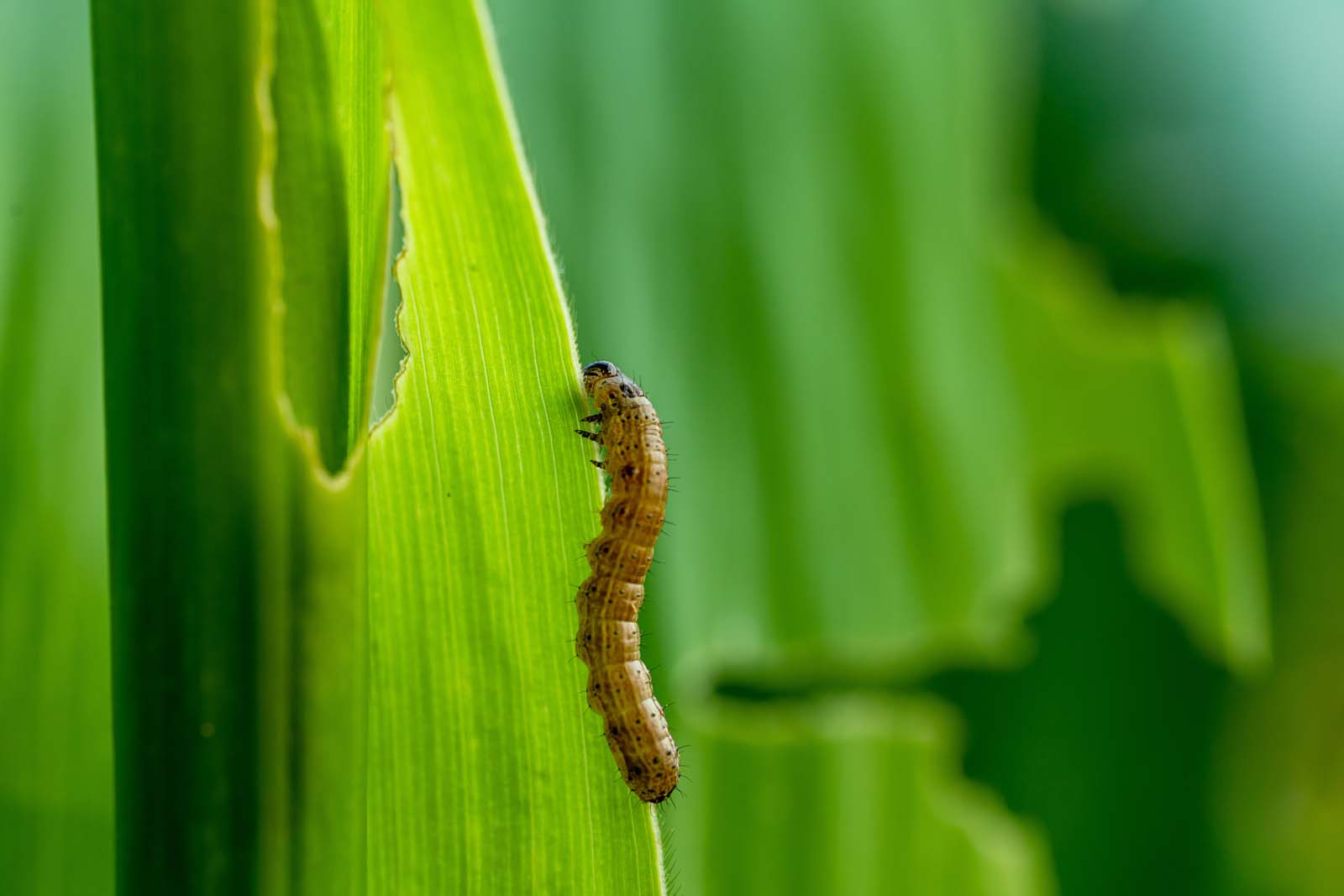
- Armyworms
- Sod webworms
- White grubs (in some situations)
can quickly damage healthy turf.
Sometimes homeowners mistake insect damage for drought because both can cause brown, thinning grass.
If your lawn seems to decline almost overnight, or birds suddenly begin feeding heavily in one area, insects could be responsible.
A careful inspection can often reveal the real cause before the damage spreads.
5. Check Your Mowing Habits
Believe it or not, mowing can contribute to lawn thinning.
Grass that is cut too short has:
- Less leaf surface for photosynthesis
- Shallower roots
- Lower drought tolerance
- More weed competition
This is especially common during summer when homeowners try to mow lower to reduce mowing frequency.
Instead, follow the recommended mowing height for your grass type and avoid removing more than one-third of the blade at a time.
Proper mowing helps grass stay thicker and healthier throughout the growing season.
6. Could Disease Be the Cause?
Not every brown or thinning lawn is suffering from drought.
Diseases can also reduce turf density.
Some of the most common lawn diseases in Oklahoma include:
- Brown patch (most common in tall fescue)
- Large patch (common in Zoysia)
- Spring dead spot (seen in Bermuda during spring green-up)
Disease often appears in distinct patches rather than across the entire lawn.
If your grass is thinning despite proper watering, it’s worth having the lawn evaluated before applying additional products.
7. Has Your Lawn Been Properly Fed?
Grass needs nutrients to recover from stress.
If your lawn hasn’t received fertilizer during the growing season, it may simply lack the energy needed to maintain thick, healthy growth.
On the other hand, applying too much fertilizer—or fertilizing at the wrong time—can also create problems.
Healthy lawns aren’t built with a single application.
They’re built through properly timed treatments that support growth throughout the year.
Why Finding the Right Cause Matters
Many lawn problems look surprisingly similar.
Heat stress. Disease. Compaction. Insects. Poor watering.
They can all cause thinning grass.
That’s why guessing often leads to wasted time and money. Adding fertilizer won’t fix compacted soil, more water won’t solve an insect infestation, and spraying weeds won’t address poor root health.
The best solution always starts with identifying the real problem.
When It’s Time to Call a Professional
Sometimes the cause is obvious.
Other times, multiple issues are affecting the lawn at once.
A professional lawn inspection looks beyond the surface to evaluate:
- Grass type
- Soil conditions
- Irrigation performance
- Insect activity
- Disease symptoms
- Weed pressure
- Overall lawn health
That allows treatments to address the actual cause—not just the symptoms.
Help Your Lawn Finish the Season Strong
If your lawn has started thinning this summer, don’t assume it’s too late to improve it.
Late summer is an excellent time to identify problems, make corrections, and prepare your lawn for a healthier fall and an even stronger spring.
At DayBreak Lawn Care, our experienced technicians understand the unique challenges Tulsa lawns face throughout the year. Whether your lawn is thinning because of heat, insects, compaction, or another issue, we’ll help you determine the cause and recommend a care plan that’s right for your property.
Request your free quote today and let us help you get your lawn back on track.