The Secret to a Better Lawn Is Below the Surface
When homeowners think about lawn care, they usually focus on what they can see.
Green grass. Fewer weeds. Thicker turf. A lawn that looks great from the street.
The truth is some of the most important parts of lawn health happen below the surface.
Healthy soil is the foundation of every great lawn. It affects how well your grass absorbs water, utilizes nutrients, develops roots, and withstands Oklahoma’s challenging weather conditions.
If your lawn struggles year after year despite watering, fertilizing, or treating weeds, the real problem may not be the grass itself.
It may be the soil underneath it.
What Is Soil Health?
A healthy lawn soil contains the right balance of:
- Air
- Water
- Organic matter
- Nutrients
- Beneficial microorganisms
Together, these elements create an environment where roots can grow, absorb nutrients, and support healthy turf.
When soil becomes compacted, depleted, or poorly structured, even the best lawn care practices become less effective.
Think of soil as the foundation of a house. No matter how beautiful the structure above it may be, problems in the foundation eventually affect everything else.
5 Signs Your Soil May Be Hurting Your Lawn
Many homeowners don’t realize they have a soil problem because the symptoms often appear above ground.
Here are some common warning signs.
1. Water Runs Off Instead of Soaking In
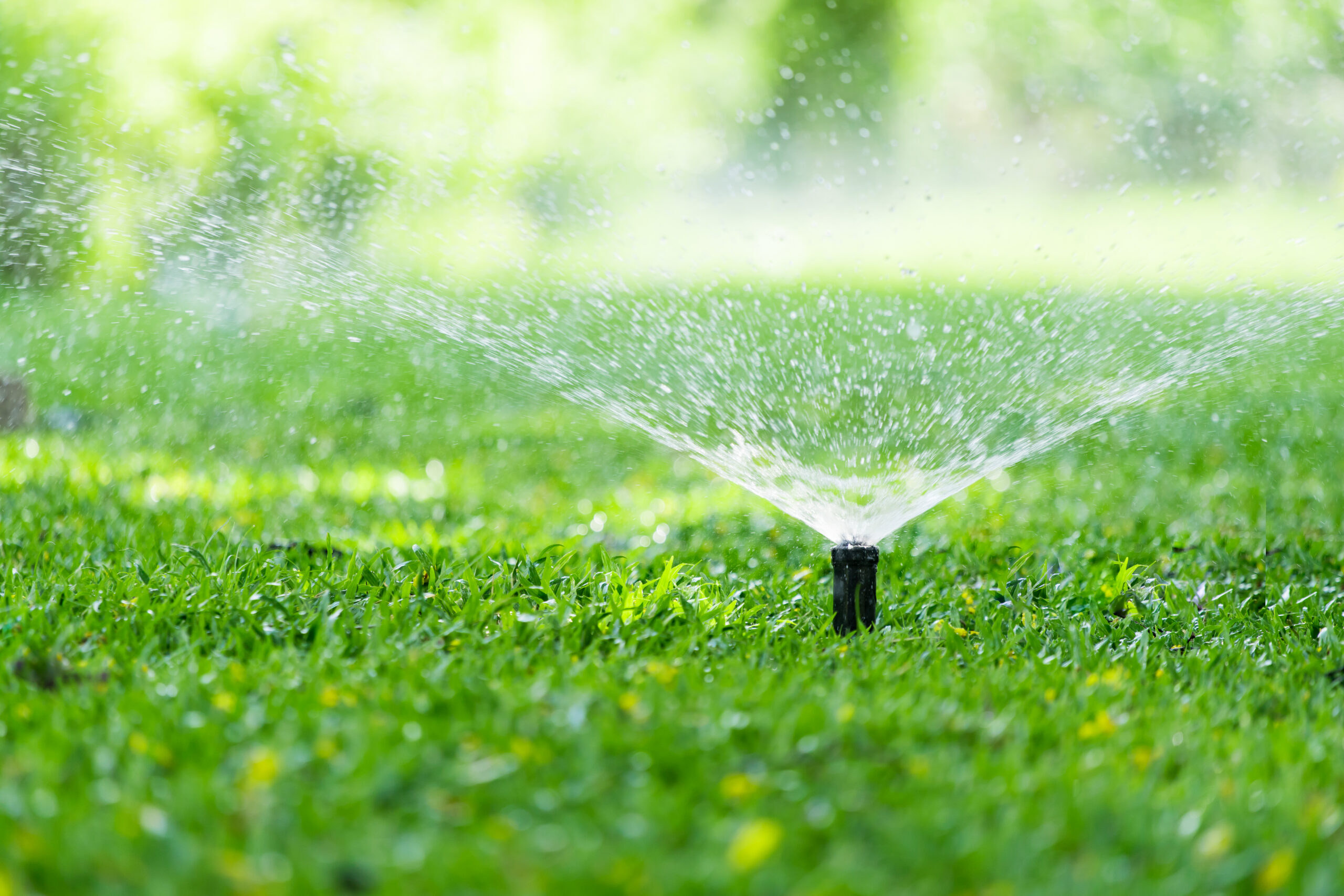
Do you notice water pooling in certain areas or running into the street during irrigation?
This may be a sign of compacted soil.
When soil becomes compressed, water has difficulty penetrating the surface and reaching the root zone. Instead, it runs off before the lawn can benefit from it.
2. Weeds Keep Coming Back
Weeds often thrive where grass struggles.
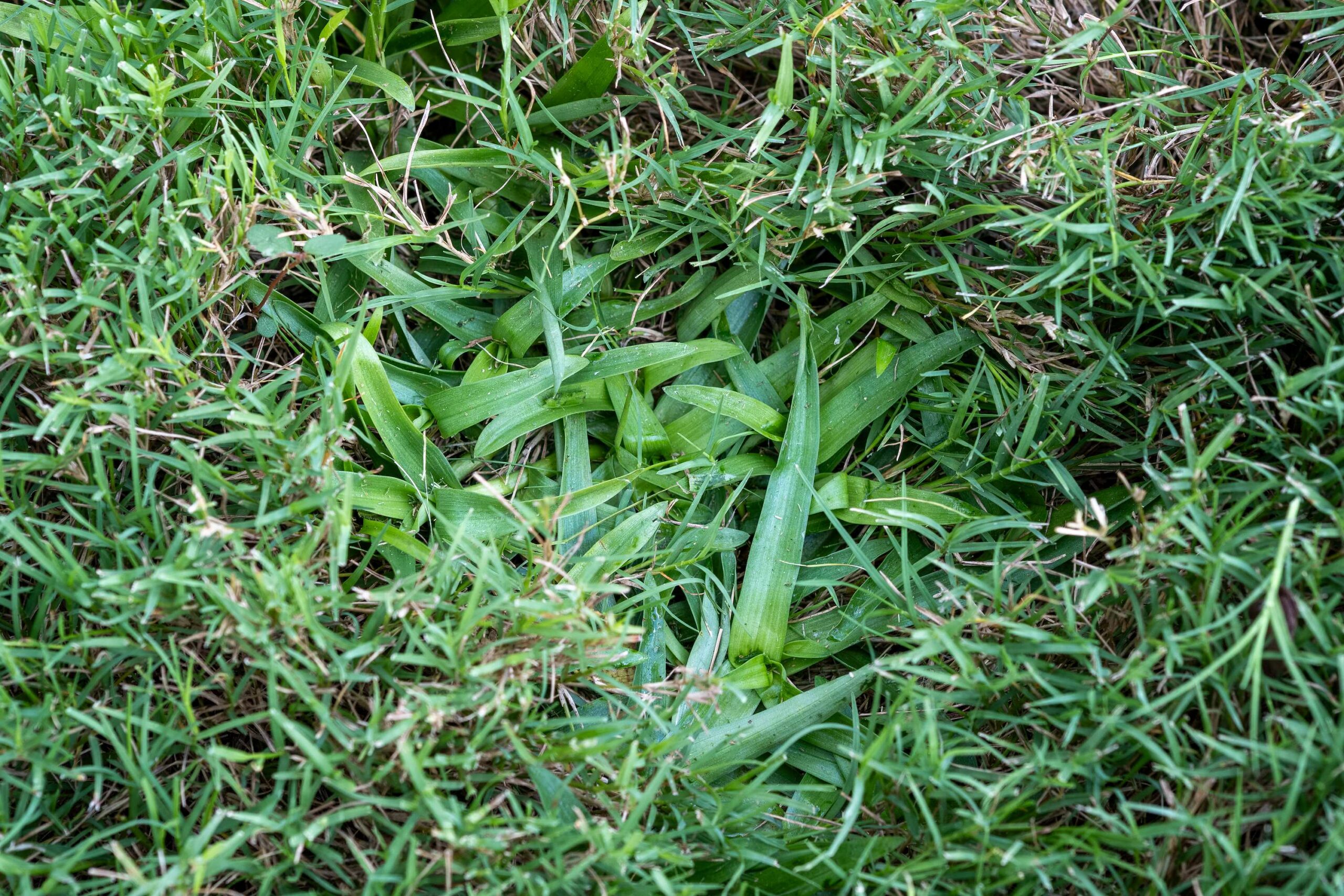
Thin turf, compacted soil, poor nutrient availability, and weak root systems create opportunities for weeds like crabgrass, nutsedge, and spurge to establish themselves.
If weeds seem to return year after year, the underlying issue may be lawn health rather than the weeds themselves.
3. Your Lawn Looks Thin or Patchy
Healthy grass spreads and fills in open areas.
When soil conditions limit root development, turf often appears thin, weak, or uneven.
Many homeowners assume they need more fertilizer when the real problem is below the surface.
4. Fertilizer Doesn’t Seem to Help
Fertilizer can only work if the lawn can actually access the nutrients.
Compaction, poor soil structure, and pH imbalances can reduce nutrient availability and limit the effectiveness of fertilizer applications.
5. Your Lawn Struggles During Summer
Oklahoma summers are demanding.
Lawns with shallow root systems often experience:
- Drought stress
- Brown patches
- Wilting
- Reduced growth
Healthy soil supports deeper roots, which helps grass access moisture during periods of heat and drought.
Why Healthy Soil Creates Healthier Lawns
Stronger Root Growth
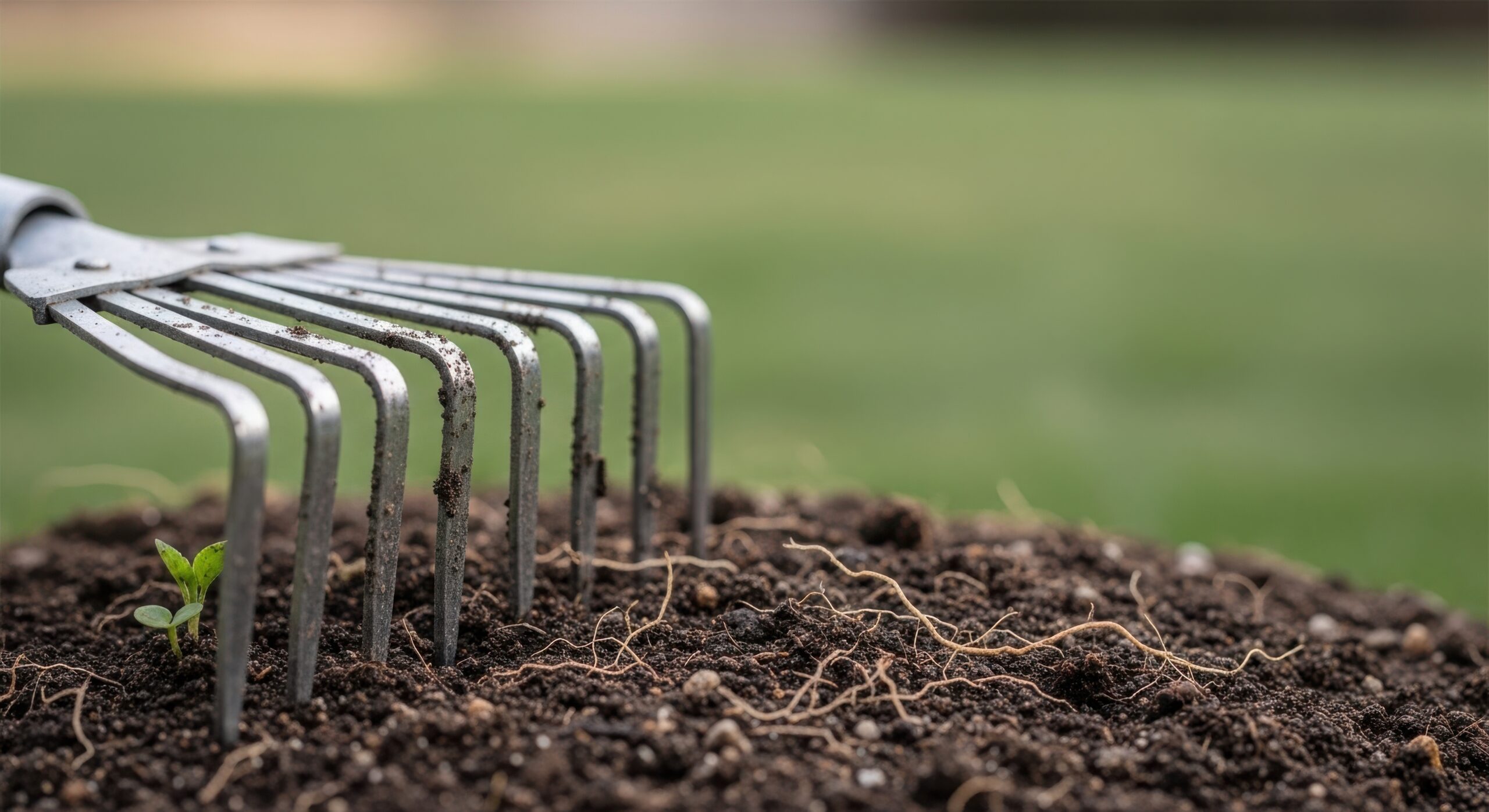
Roots need oxygen, water, and space to grow.
Healthy soil provides an environment where roots can expand deeper into the ground. These deeper roots help lawns withstand heat, drought, and everyday stress more effectively.
Better Water Absorption
One of the biggest lawn care mistakes homeowners make is assuming more water solves every problem. In reality, healthy soil helps lawns use water more efficiently.
When water can move into the root zone instead of running off the surface, irrigation becomes far more effective.
Improved Nutrient Uptake
Grass relies on nutrients to grow, recover, and maintain color. Healthy soil allows those nutrients to move where they are needed most.
Without healthy soil, many benefits of fertilization can be lost.
Natural Weed Suppression
Dense, healthy turf naturally crowds out weeds.
When roots are stronger and turf is thicker, weeds have fewer opportunities to establish and spread.
Common Soil Problems in Tulsa Lawns
Many lawns throughout Tulsa and Northeast Oklahoma face similar challenges.
Compaction
Compaction is one of the most common lawn issues.
It often develops because of:
- Foot traffic
- Construction activity
- Clay soils
- Repeated mower traffic
Compacted soil limits root growth and reduces water infiltration.
Construction-Disturbed Soil
Many newer homes are built on heavily disturbed soil.
During construction, topsoil is often removed, compacted, or mixed with subsoil, creating long-term challenges for turfgrass.
Poor Drainage
Areas that remain excessively wet often suffer from poor oxygen availability and weak root systems.
Both drought and poor drainage can create similar lawn symptoms.
Why Fertilizer Isn’t Always the Answer
When a lawn looks unhealthy, many homeowners immediately reach for fertilizer.
Sometimes that helps. Sometimes it doesn’t.
Fertilizer cannot solve:
- Soil compaction
- Drainage problems
- Poor root development
- Water infiltration issues
A lawn with unhealthy soil may struggle regardless of how much fertilizer is applied.
The healthiest lawns are built through a combination of proper nutrition, healthy soil structure, and consistent seasonal care.
How DayBreak Approaches Soil Health
At DayBreak, we believe healthy lawns start below the surface.
Our lawn care programs focus on more than just color. We emphasize long-term lawn health through soil-focused treatments, lawn health monitoring, and seasonal care designed specifically for Oklahoma growing conditions.
By supporting healthier roots and improving overall soil conditions, we help homeowners build lawns that perform better throughout the year, not just immediately after treatment.
Build a Better Lawn from the Ground Up
Healthy grass starts with healthy soil.
When soil conditions improve, lawns often become stronger, greener, thicker, and more resilient. Water works more efficiently. Fertilizer delivers better results. Weeds have a harder time taking hold.
Ready to Improve Your Lawn from the Ground Up?
If your lawn struggles with thin turf, recurring weeds, drought stress, or poor performance despite regular care, the problem may be below the surface.
DayBreak can help identify the underlying issues and recommend a lawn care program designed for your property and your grass type within Oklahoma’s unique growing conditions.
Contact us today and discover how healthier soil can lead to a healthier lawn.
A New Dawn for Your Lawn starts here.