Your Lawn Looked Fine Yesterday. Today It’s Turning Brown.
One of the most frustrating things about armyworms is how quickly they can damage a lawn.
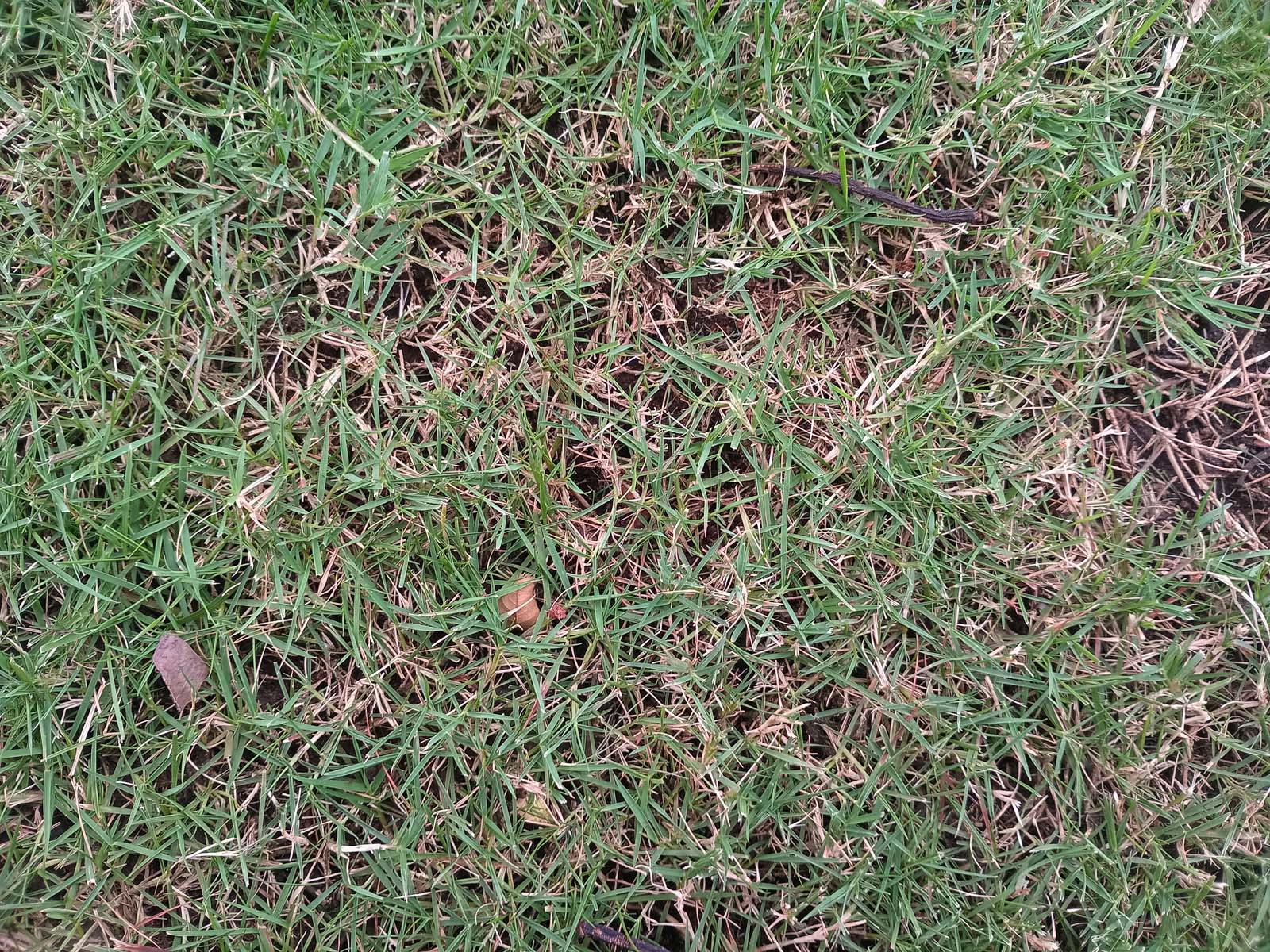
A healthy Bermuda or Zoysia lawn can begin looking thin, brown, or “scalped” almost overnight. Many homeowners assume the grass is suffering from drought or heat stress, when the real culprit is feeding just below the surface.
Late summer is peak season for armyworms in Oklahoma, making August and September the time to start paying close attention to your lawn.
The good news? If you catch them early, you can often prevent widespread damage.
What Are Armyworms?
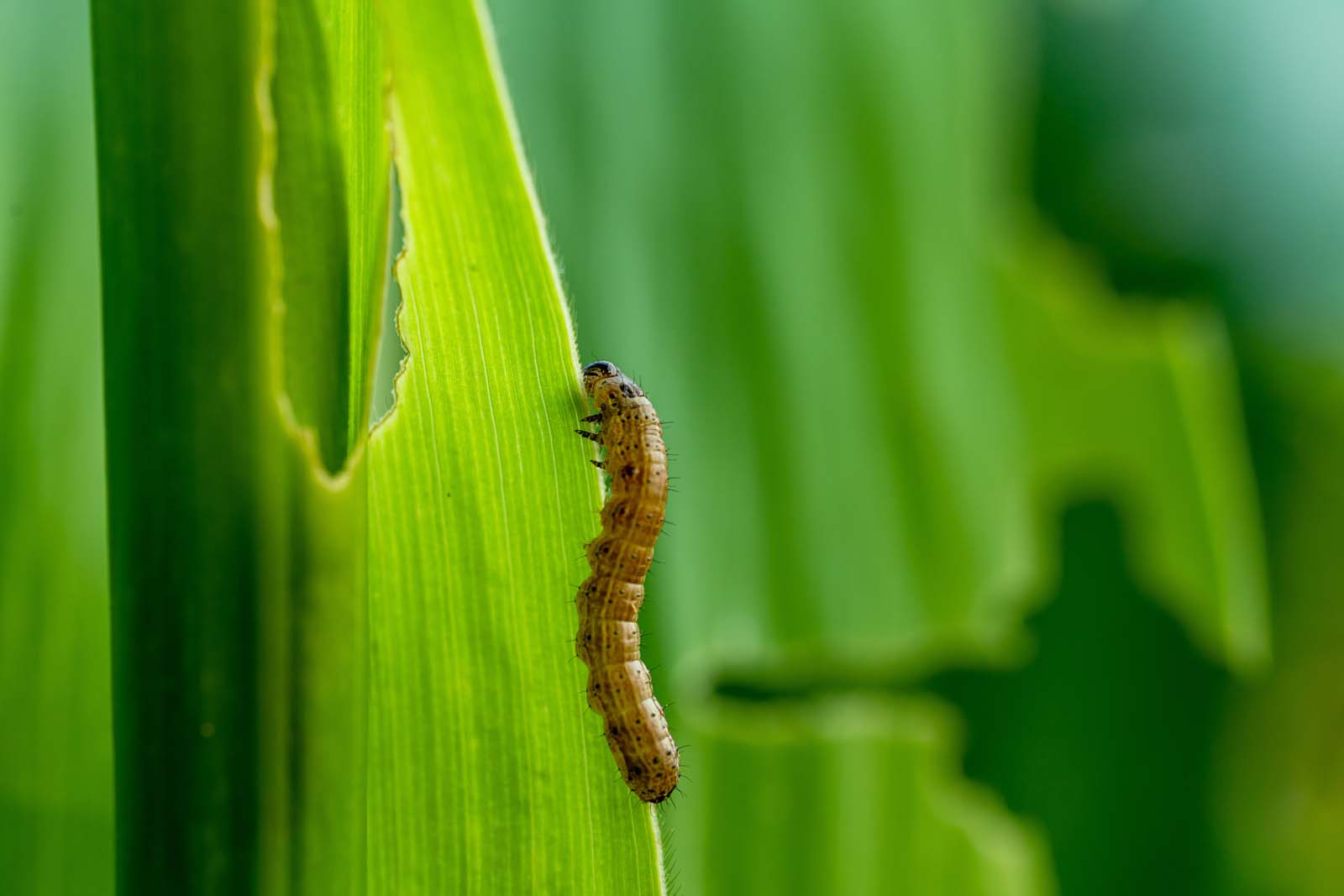
Despite their name, armyworms aren’t worms at all. They’re caterpillars—the larvae of a moth known as the fall armyworm.
They earned their name because they often move across lawns in large numbers, feeding as they go and leaving damaged grass behind.
Unlike some lawn pests that attack roots, armyworms feed on grass blades. When populations are high, they can remove large amounts of leaf tissue in just a few days.
Why Are They Common in Oklahoma?
Armyworms don’t typically survive Oklahoma winters. Instead, adult moths migrate north each year and lay eggs throughout the region during the growing season.
Depending on weather conditions, outbreaks can vary from year to year. Some summers bring only scattered activity. Others produce widespread infestations across Tulsa and much of Oklahoma.
Because outbreaks aren’t predictable, regular lawn inspections are the best defense.
The First Signs of Armyworms
Most homeowners don’t notice the insects themselves first. They notice the damage.
Watch for:
Brown patches that seem to appear overnight
Unlike drought stress, armyworm damage often develops very quickly.
Grass that looks “chewed”
Armyworms feed on the blades of grass, giving the lawn a clipped or ragged appearance.
Birds suddenly feeding in your lawn
Birds love eating armyworms.
If you suddenly notice large numbers of birds concentrated in one section of your yard, they’re often feeding on insects hiding in the turf.
Caterpillars on sidewalks or driveways
During larger outbreaks, armyworms may become visible crawling across hard surfaces.
How to Check for Armyworms
If you suspect armyworms, take a closer look before assuming your lawn simply needs more water.
Part the grass near damaged areas and inspect the soil surface and thatch layer. You may see caterpillars ranging from about one-half inch to nearly two inches long.
Another common scouting method is a simple soap flush. Mix a small amount of liquid dish soap with water and pour it over a small section of damaged turf. If armyworms are present, they’ll often emerge to the surface within a few minutes.
Oklahoma State University recommends scouting and treatment decisions based on observed populations rather than treating every lawn preventively.
Armyworms or Drought?
This is one of the biggest questions homeowners have. Both problems can cause brown lawns.
Here’s the difference:
Drought Stress
- Develops gradually
- Grass wilts before turning brown
- Footprints remain visible
- Usually improves with proper irrigation
Armyworm Damage
- Can appear almost overnight
- Grass blades look eaten or clipped
- Birds often gather in damaged areas
- Watering doesn’t solve the problem
If your lawn has been receiving adequate water but continues declining rapidly, insects may be the cause.
Can a Lawn Recover?
In many cases, yes. Armyworms usually feed on the leaf blades—not the roots.
Healthy warm-season grasses like Bermuda and Zoysia often recover once feeding stops, especially if the crowns remain healthy.
Recovery depends on:
- How long the insects fed
- Overall lawn health
- Weather conditions
- Proper watering after damage
- Whether additional stresses are present
A healthy lawn typically recovers much faster than one already weakened by drought, compaction, or nutrient deficiencies.
Should Every Lawn Be Treated?
No. One of the biggest misconceptions about lawn insects is that every lawn needs preventive insecticide treatments. The best approach is regular monitoring.
Professional lawn care technicians inspect lawns throughout the season, looking for signs of insects before widespread damage occurs.
Treatments are recommended when pest activity justifies them—not simply because it’s late summer. That targeted approach helps protect your lawn while avoiding unnecessary applications.
Healthy Lawns Are More Resilient
While armyworms can attack almost any lawn, healthy turf is generally better equipped to recover.
Maintaining proper:
- Fertilization
- Watering
- Mowing
- Soil health
helps your lawn bounce back more quickly after insect damage.
A strong lawn is always easier to restore than one already struggling with multiple problems.
Don’t Wait Until the Damage Is Everywhere
Because armyworms can spread quickly, early detection is your best defense.
If you notice sudden browning, heavy bird activity, or grass that appears to have been chewed, it’s worth taking a closer look.
At DayBreak Lawn Care, our technicians monitor Tulsa lawns throughout the growing season for signs of insects, disease, and other lawn health issues. By identifying problems early, we can recommend the right solution before minor damage becomes a major repair.
If you think armyworms may be affecting your lawn, contact DayBreak Lawn Care for a professional lawn evaluation.