Your Own Backyard May Be Closer to Tick Habitat Than You Think
When most people think about tick season in Tulsa, they picture hiking trails, tall grass, or a weekend spent deep in the woods. However, you don’t necessarily have to leave home to encounter one.
Ticks can also show up around residential properties, especially where maintained lawns meet taller vegetation, wooded areas, brush, or other sheltered spaces. And even as summer begins winding down, Tulsa homeowners shouldn’t assume tick season is over.
Ticks can remain active throughout Oklahoma’s warmer months, making late summer a good time to take a closer look at your yard.
Understanding where ticks are most likely to be found, what conditions can make certain areas more inviting to them, and how to reduce those conditions can help you enjoy your outdoor space with a little more peace of mind.
Ticks Are a Familiar Oklahoma Pest
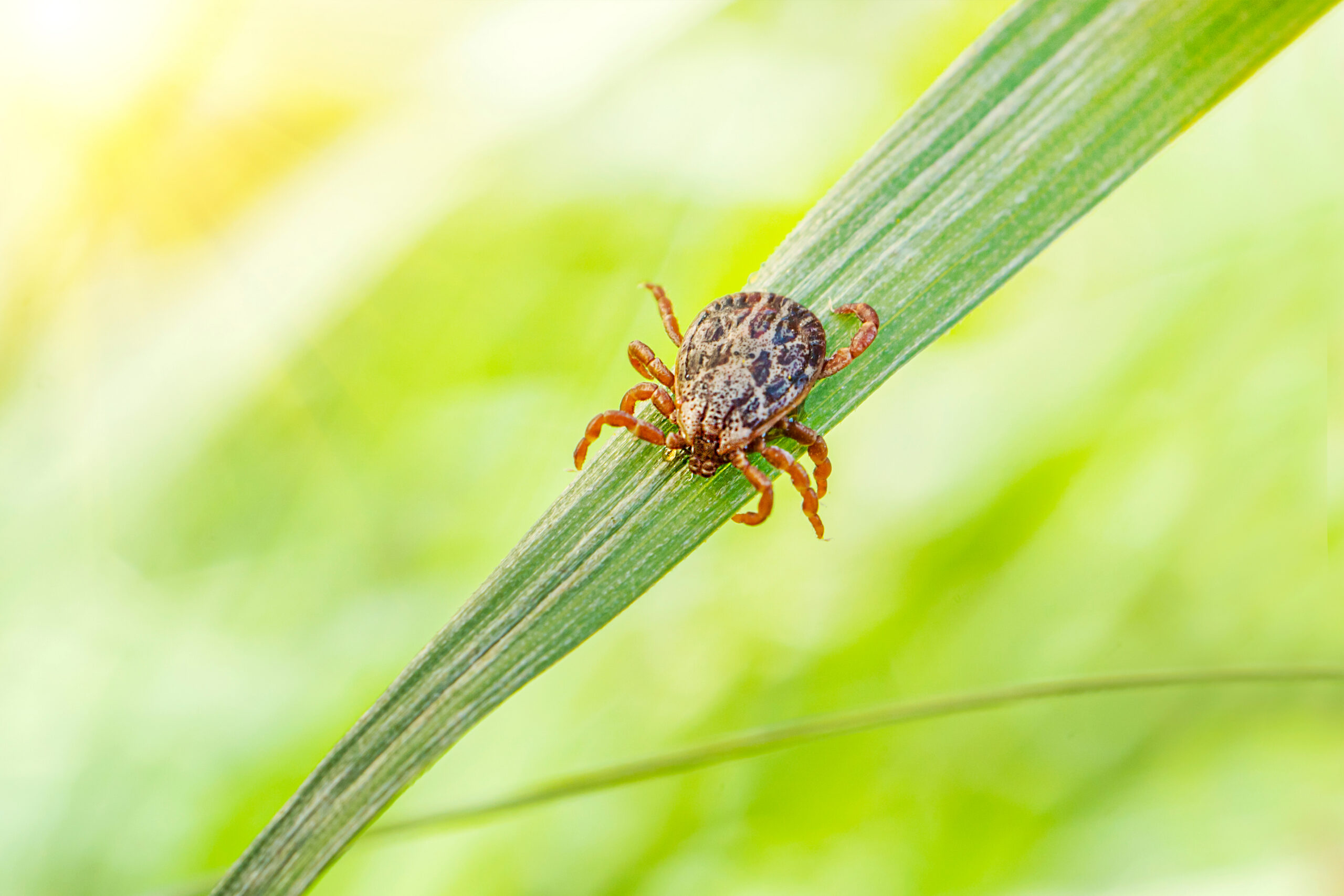
Oklahoma is home to several species of ticks, including the lone star tick, American dog tick, blacklegged tick, and brown dog tick.
The lone star tick is particularly common in Oklahoma and is known for readily feeding on people and animals.
That doesn’t mean every tick you encounter is dangerous or that every tick bite leads to illness. But it does mean tick awareness should be part of spending time outdoors in Oklahoma.
And that includes your own backyard.
Ticks don’t need a remote forest to survive. Depending on the conditions surrounding a home, certain parts of a residential property can provide the shelter and access to hosts they need.
Why Are Ticks Getting More Attention Recently?
Ticks have been receiving increased attention from researchers and pest professionals in recent years.
Scientists have documented changes in the geographic ranges of some tick species, and researchers continue to study how factors such as temperature, changing landscapes, wildlife movement, and other environmental conditions can affect tick populations.
Recent research has also taken a closer look at something especially relevant to homeowners: where ticks are actually concentrated around residential landscapes.
Rather than being spread evenly across an entire property, ticks may be more common in certain areas that provide favorable conditions.
That means reducing tick encounters starts with understanding your landscape.
Where Are Ticks Most Likely to Be Around Your Yard?
Ticks don’t fly or jump. Instead, they typically climb onto vegetation or other surfaces and wait for a person or animal to brush past. This behavior is often called “questing.”
Because of that, some parts of your property may deserve more attention than others.
A sunny, regularly maintained section of lawn may provide a very different environment than an overgrown fence line or the edge of a wooded area.
Around your Tulsa property, pay attention to areas such as:
- Lawn edges next to wooded or natural areas
- Taller or unmanaged vegetation
- Brushy areas and overgrown fence lines
- Areas where people or pets regularly move between maintained lawn and natural vegetation
- Shaded, sheltered sections of the landscape
Recent research into residential tick populations has emphasized the importance of identifying these types of backyard “hotspots” rather than thinking of the entire lawn as one uniform environment.
5 Ways to Make Your Yard Less Inviting to Ticks
You probably can’t make an outdoor property completely tick-proof.
You can, however, make certain parts of your landscape less favorable to them and reduce opportunities for your family and pets to encounter ticks.
1. Keep Vegetation Maintained
Regular lawn and landscape maintenance can help reduce some of the sheltered areas ticks prefer.
Keep grass maintained and prevent vegetation along fences, property lines, and less-used portions of the yard from becoming excessively overgrown.
2. Pay Attention to the Edges
It’s easy to focus on the middle of your lawn because that’s what you see most often.
When it comes to ticks, the edges of the property may deserve just as much attention.
Look at places where your maintained yard meets wooded areas, brush, taller vegetation, or neighboring natural spaces. These transition areas can provide better conditions for ticks than an open lawn.
3. Clean Up Excess Plant Debris
Piles of leaves, unmanaged vegetation, and other accumulated plant material can create sheltered areas around the landscape.
Keeping these areas cleaned up helps make the yard less inviting while also making it easier to spot other pest or lawn problems.
4. Check Yourself After Spending Time Outside
Tick checks aren’t only for camping trips.
If you’ve been gardening, clearing brush, working near wooded areas, or spending time in taller vegetation, take a few minutes to check yourself afterward.
It’s a simple habit that can help reduce the chance of an unnoticed tick staying attached.
5. Don’t Forget About Your Pets
Dogs spend much more time close to grass and vegetation than we do, making them especially likely to encounter ticks outdoors.
Check pets after they’ve been outside, particularly if they spend time near brush or natural areas, and talk with your veterinarian about appropriate flea and tick protection.
Managing the yard and protecting the pet itself work together.
What Does Alpha-Gal Have to Do With Ticks?
One reason ticks (particularly the lone star tick) have received more public attention is alpha-gal syndrome.
Alpha-gal syndrome is a potentially serious allergy that has been associated with tick bites, particularly bites from lone star ticks in the United States.
The condition has helped bring greater awareness to a simple fact: preventing tick bites is worthwhile, even when you’re not hiking or spending time in the wilderness.
That doesn’t mean Tulsa homeowners should be afraid to enjoy their yards. It means knowing what to look for and taking sensible precautions can make a difference.
If you develop unusual symptoms or have concerns following a tick bite, contact a healthcare professional.
Where Professional Flea & Tick Protection Fits
Reducing ticks around a property isn’t simply a matter of spraying every blade of grass.
Research into residential tick activity increasingly points toward understanding where ticks are most likely to be found and focusing attention on those areas.
Professional flea and tick treatments can provide another layer of protection alongside good property maintenance, regular tick checks, and veterinarian-recommended protection for pets.
At DayBreak Lawn Care, our Flea & Tick Protection service is designed to help reduce pest pressure around the outdoor spaces where Tulsa families and pets spend their time.
No outdoor treatment can promise that a tick will never enter your yard. Wildlife, surrounding vegetation, weather, and neighboring properties can all influence pest activity.
The goal is to make your outdoor space less inviting to these pests and help reduce the likelihood of encounters.
Enjoy Your Tulsa Backyard With Confidence
Ticks are part of living in Oklahoma, but they don’t have to keep you from spending time outside.
As summer continues, take a quick walk around your property. Look beyond the middle of the lawn. Check the edges, overgrown areas, fence lines, and places where your yard meets more natural vegetation.
A little landscape maintenance, good personal and pet protection habits, and professional flea and tick treatments when appropriate can all help make your backyard a more comfortable place to spend the rest of summer.
Ready to help protect the outdoor space your family enjoys? Contact DayBreak Lawn Care to learn more about Flea & Tick Protection for your Tulsa-area home.